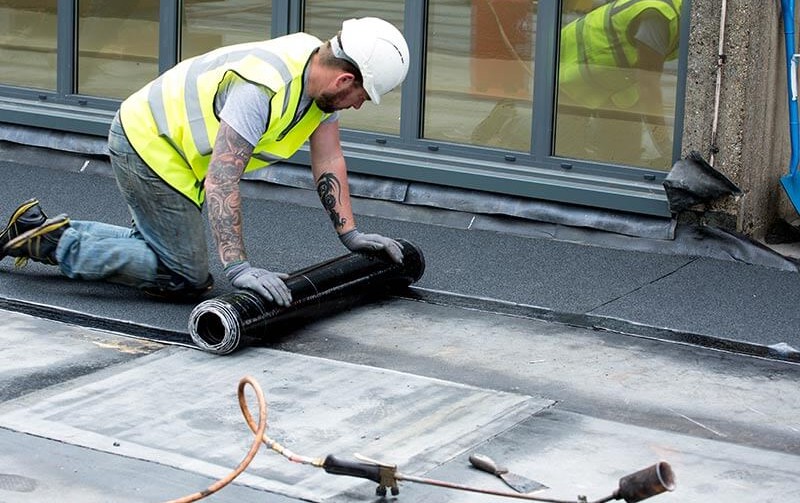

How Homeowners Can Find Reliable Contractors for Home Improvement Projects
Introduction
Whether you’re renovating your kitchen, remodeling a bathroom, or installing new flooring, finding the right contractor for your home improvement project is crucial. The success of your project depends not only on the quality of the materials you use but also on the skills and reliability of the contractor you hire.
At JobIntroducer.com, we understand the challenges homeowners face when it comes to choosing contractors. With so many options out there, it can be difficult to know who to trust. This guide will help you find a reliable, professional contractor who can bring your home improvement vision to life.
1. Do Your Research: Start with Online Reviews
The first step in finding a reliable contractor is to do your research. Start by checking online reviews and testimonials from previous clients. Websites like Google My Business, Yelp, and Angie’s List can provide valuable insights into a contractor’s reputation.
Look for contractors with a consistent history of positive reviews and high ratings. However, don’t just rely on star ratings alone; read through reviews to see if there are any recurring themes or red flags, such as poor communication, missed deadlines, or quality issues.
Tip: Don’t hesitate to ask the contractor for references from past clients. Speaking directly to homeowners who have worked with them can give you a better understanding of their experience.
2. Verify Their Credentials and Insurance
Before hiring a contractor, it’s essential to verify their credentials and insurance. A legitimate contractor should have the proper licenses and certifications for the type of work they do. Depending on your location, contractors may need specific licenses for plumbing, electrical work, and general construction.
Make sure the contractor provides:
- License Number: Verify their license with your local licensing authority.
- Insurance: Ensure they have both liability insurance (to protect your property) and worker’s compensation insurance (to protect workers on the job).
- Bonding: A bonded contractor guarantees that they’ll complete the project according to agreed-upon terms, or you may receive compensation for any unfinished work.
Always request to see proof of insurance and verify it with the insurance company to avoid any surprises down the road.
3. Get Multiple Quotes and Compare
Don’t settle for the first quote you receive. To ensure you’re getting a fair price, get at least three estimates from different contractors. While price is important, it shouldn’t be your sole deciding factor.
Here’s what to keep in mind when comparing quotes:
- Scope of Work: Make sure all quotes are based on the same scope of work. If one quote seems significantly lower, it could be an indication that the contractor is cutting corners.
- Materials and Labor: Verify what’s included in the estimate. Some contractors may quote low but charge extra for labor or materials later on.
- Timeline: Ask each contractor for a project timeline. If one contractor promises a much quicker turnaround, be cautious. Quality work takes time, and rushing a project can lead to mistakes.
Choose a contractor whose quote aligns with your budget and expectations, but who also demonstrates professionalism and reliability.
4. Look for Experience and Specialization
Contractors often specialize in specific types of home improvement projects. For example, a general contractor may be well-suited for large renovations, while a specialized contractor (like a kitchen remodeler or roofing contractor) may be better for specific tasks.
Questions to ask a potential contractor:
- How many years of experience do you have with this type of project?
- Do you have a portfolio of similar projects?
- What are some challenges you’ve faced on similar jobs, and how did you overcome them?
A contractor with experience and specialization in your particular project type will be more efficient and likely deliver higher-quality results.
5. Check for Clear Contracts and Payment Terms
A reliable contractor will always provide a written contract outlining the project’s scope, timeline, and cost. Never start work without a signed agreement. The contract should include:
- Detailed scope of work: Clearly outline what work will be completed and what’s excluded.
- Project milestones: Specify how and when progress payments will be made, including amounts due at various stages of the project.
- Materials and labor costs: List the costs for both materials and labor to avoid any surprises later.
- Completion timeline: Include a realistic timeline for project completion, with milestones for progress.
Additionally, be cautious of contractors who ask for a large upfront payment. A deposit is normal, but anything over 25-30% is a red flag. Avoid contractors who want to be paid in full before any work begins.
6. Communicate Regularly During the Project
Once the project begins, maintaining open communication with your contractor is key to ensuring everything stays on track. Regular check-ins will help you stay informed about the project’s progress and address any issues as they arise.
Tips for effective communication:
- Set expectations: Clearly define how often you want updates — daily, weekly, or as significant milestones are reached.
- Be available: Make sure you’re reachable for any questions or decisions that need to be made.
- Address concerns early: If something doesn’t seem right, bring it up immediately. The sooner you address any issues, the less likely they are to cause delays or additional costs.
Good contractors value transparency and will appreciate your proactive communication.
7. Trust Your Instincts
Finally, trust your instincts. If something feels off — whether it’s the contractor’s communication, attitude, or pricing — don’t be afraid to walk away. It’s better to take the time to find the right contractor than to settle for someone who may end up causing more stress or costing you more money.
Look for contractors who are not only skilled but also trustworthy, professional, and easy to work with. A positive working relationship can make a huge difference in the success of your project.
Final Thoughts
Finding a reliable contractor for your home improvement project doesn’t have to be stressful. By doing your research, verifying credentials, getting multiple quotes, and maintaining clear communication, you can ensure that your project runs smoothly and results in a beautiful, high-quality home improvement.
At JobIntroducer.com, we connect homeowners with trustworthy contractors and service providers to make the home improvement process easier. Ready to start your next project? Take the first step by finding the right contractor for your needs today!